
Questions to Guide One’s Movement Choices
As a physical therapist, I am asked almost every day if a particular exercise is a “good” one or not. Often, people have a toolbox of movements taught by past physical therapists, personal trainers, or ones that they have found online (or even discovered for themselves).
Deciding whether a particular movement is a good fit for someone or not is extremely subjective and depends on many factors.
Any exercise has the power to be helpful, harmful, or neutral. Deciding the potential for benefits of an exercise is context dependent: it depends on the person’s goals, abilities, as well as their biomechanical history and overall state of health. It also depends on to what extent they are performing the exercise (e.g. too often vs not enough) and what else they are doing (would they otherwise be doing something that is more beneficial, or is it a choice between this exercise vs doing nothing at all?).
The choice also depends on psychological and social factors: Does one feel safe performing the movement? Do they enjoy this movement or have curiosity about it? Does the individual have adequate space and equipment to practice the move, or does it require something that they do not have access to?
Assuming that the individual is willing and able to perform some form of an exercise safely, here are five questions to guide whether it is beneficial, or perhaps how to increase the benefit of any exercise chosen for one’s routine.
What is the Intention of the movement?
How is my breathing?
Can I reverse this movement?
How can I modify/adapt the movement as needed?
What is the appropriate volume (how much/how many)?

Question One: What is the intention?
To get the most out of a particular exercise, one must understand what they are doing. Without having an intention, one might perform a movement on autopilot without integrating the sensory information from the body.
Without understanding the intention and paying attention, it is likely that the movement pattern will be imprecise and ineffective.
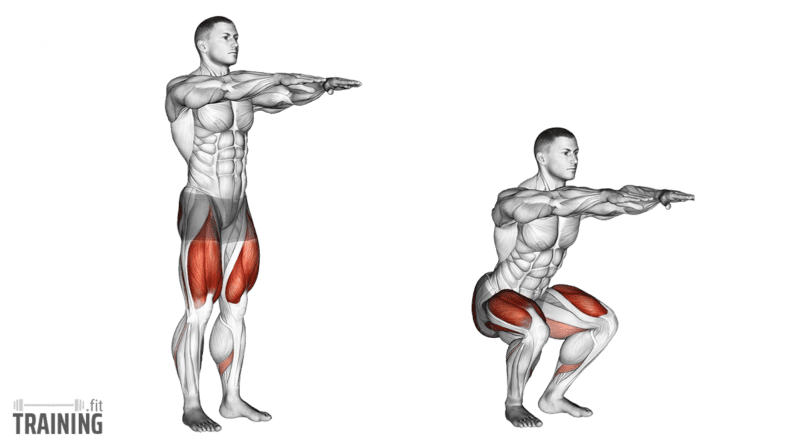
Example: The Squat
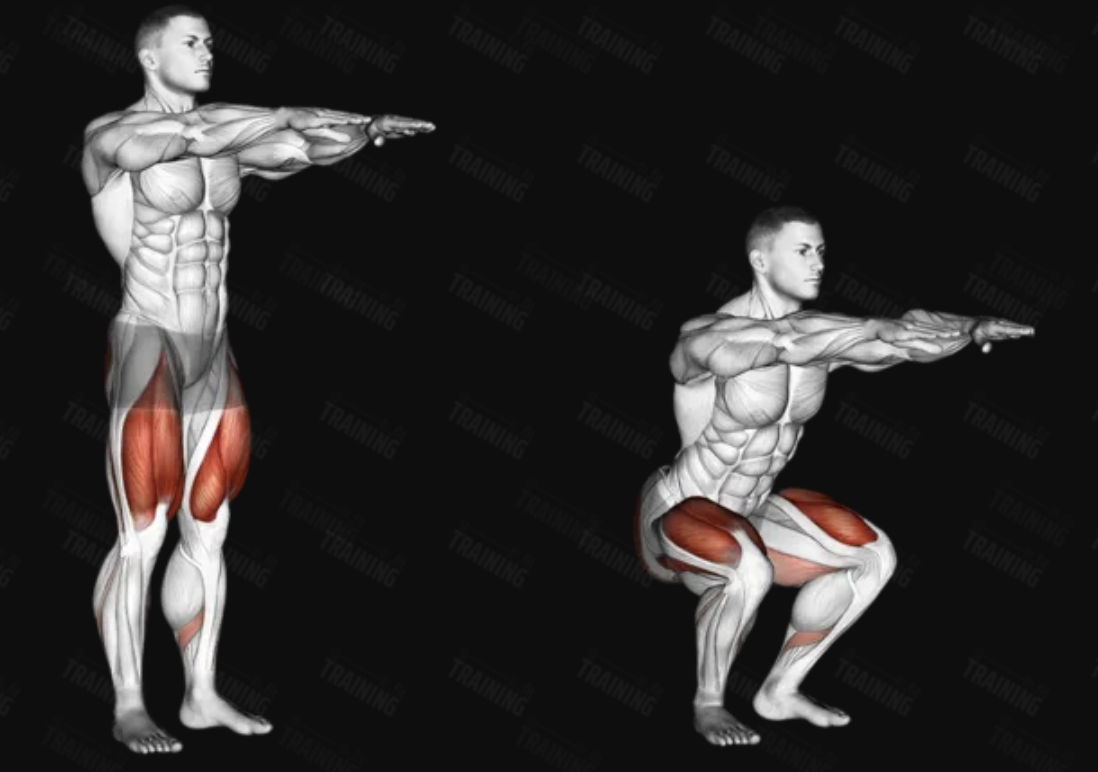
Take a body weight squat, a basic strength training move with many potential benefits. The intention could fall under many categories, including skeletal, muscular, external, or simple verbal.
Skeletal intention: An example of using a skeletal/joint based intention could be as follows: While keeping feet flat on the ground, bend at the hips and the knees to bring the backs of thighs and calves closer together. Return to the starting position.
Muscular intention: An example of a muscular intention might be for someone who already has the basic form of a squat, but wants to finesse the ability to sense and control particular muscle groups. Squat to create a stretch in the glutes and quadriceps. Stand up while consciously contracting those muscles.
External intention: Squat down, then push your feet through the ground to stand up.
Simple verbal: Pretend there is a chair behind you. Go to sit on the imaginary chair, and then stand up. Or, put more simply, sit down, stand up
Question Two: How is my breathing?
The tendency to unintentionally hold one’s breath is very common, especially when learning a new movement. However, this should not persist past the initial stages of learning.
If the breath is held or otherwise erratic and uncoordinated, the movement is likely too challenging. By continuing to practice a movement without having awareness of the breath, the nervous system learns that the movement is a “threat” and not consistent with a calm state of being.
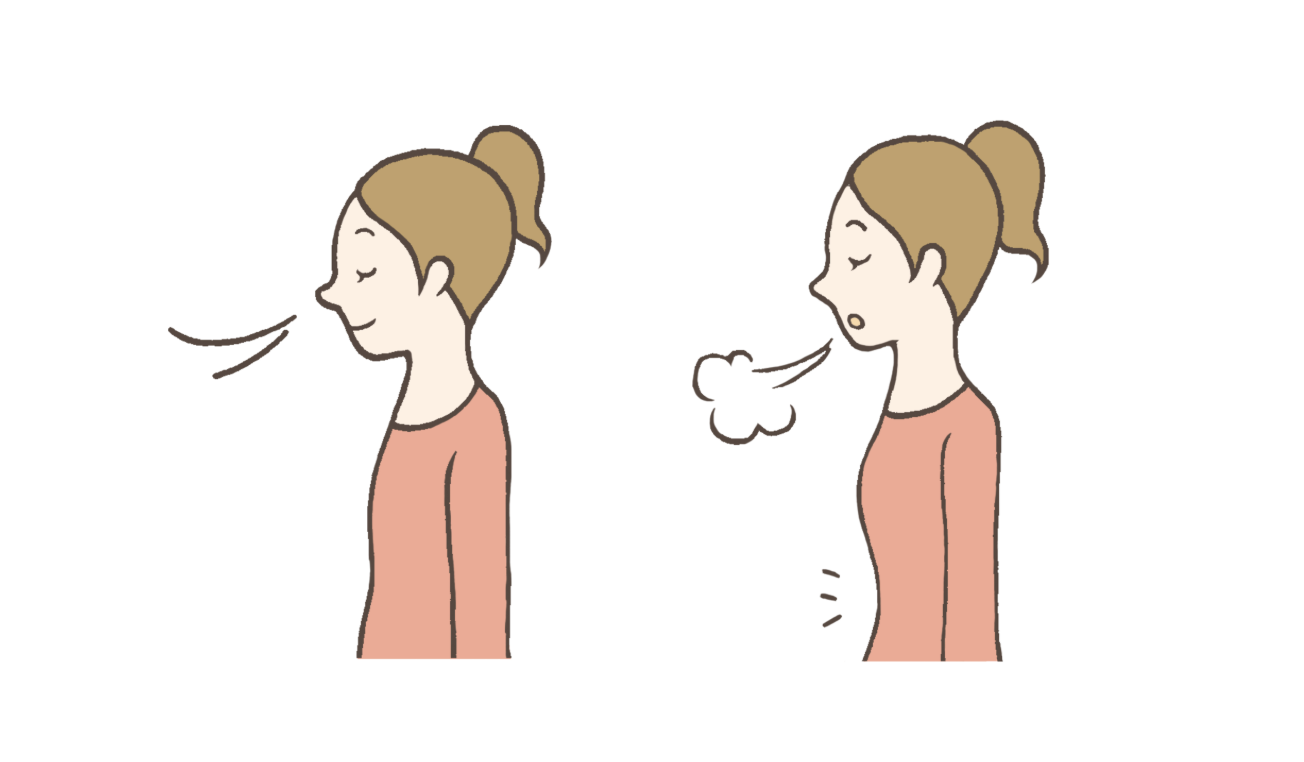
People often ask, “Am I breathing correctly?” Or, “when is the inhale, and when is the exhale?” The specifics don’t matter as much as the awareness. Being able to pay attention to one’s breath while moving can help ensure that the breathing will coordinate well with the movement.
The natural coordination between breath and movement is generally to exhale during exertion (muscles contracting/shortening actively), and to inhale during relaxation (or during muscle lengthening).
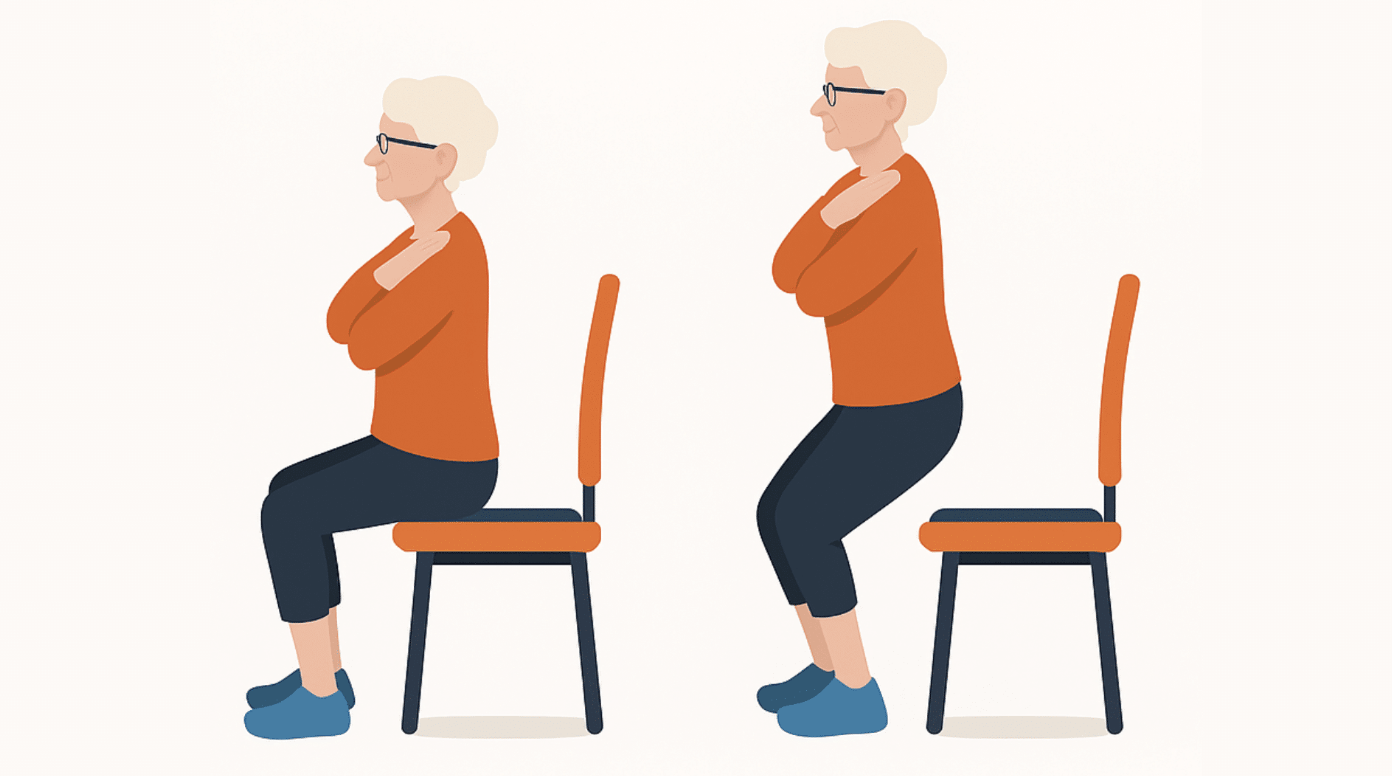
For the squat, this coordination would be to inhale while sitting down into the squat, and exhaling while returning to stand.
This can help avoid strain and improve the efficiency of movement, but it is not a requirement, and not always the best way for every individual. Most important is the ability for one to be aware of how they are breathing or choosing to breathe.
Question Three: Can I reverse the movement?
Reversibility is the ability to go back the way you came. In other words, you can equal and exit a movement with equal ease, and you don’t get “stuck” during certain phases of the movement. One should be able to “change their mind” during any part of the movement.
Reversibility reflects having movement options, control, and awareness. And ensure that the joints stay healthy, as the muscles are able to control the forces involved in the movement throughout the entire range of motion.

The squat involves “reversing” at the bottom and at the top of the movement. So, if one sits into a squat, the reversal happens when returning to standing. Or, once in standing, reversing it again to initiate the squat. This reversal can happen at any phase of the individual’s choosing: There are variations of the squat such as a “one and a half rep” squat, in which one squats down low, stands up half way, reverses this to squat down again, then stands up all the way.
If someone is having trouble reversing a squat (perhaps they can sit down low but the knees are strained when standing up), then it is important to modify the movement to avoid this strain (see question four for ideas
Question Four: How can I modify or adapt this movement as needed?
Sometimes, depending on the day, recovery from a particular pain or injury, or countless other reasons, an exercise might be more beneficial if it is made easier. This is contrary to the popular saying “no pain no gain” and similar ideas. Being able to recognize when one needs to modify an exercise, and having the knowledge and skill to implement the modification represents adaptability, and is far more beneficial than pushing through something that is beyond one’s ability.
Subtle signs of strain may happen in the moment. For example, the movement may begin to no longer “match” the intention, the joints may begin to ache, the breath might be held, or there might be a general sense of “offness”. Or perhaps it is not until the next day in which it becomes clear that an exercise was too much.
An acronym to help one know how to modify a particular movement if there is suspicion of strain is as follows: LESSSS is more!
L: ighter
E: asier
S: ofter
S: lower
S: maller
S: moother
Not all of these strategies need to be implemented, but one or more of them can be excellent ways to help a movement fit one’s particular needs and abilities.
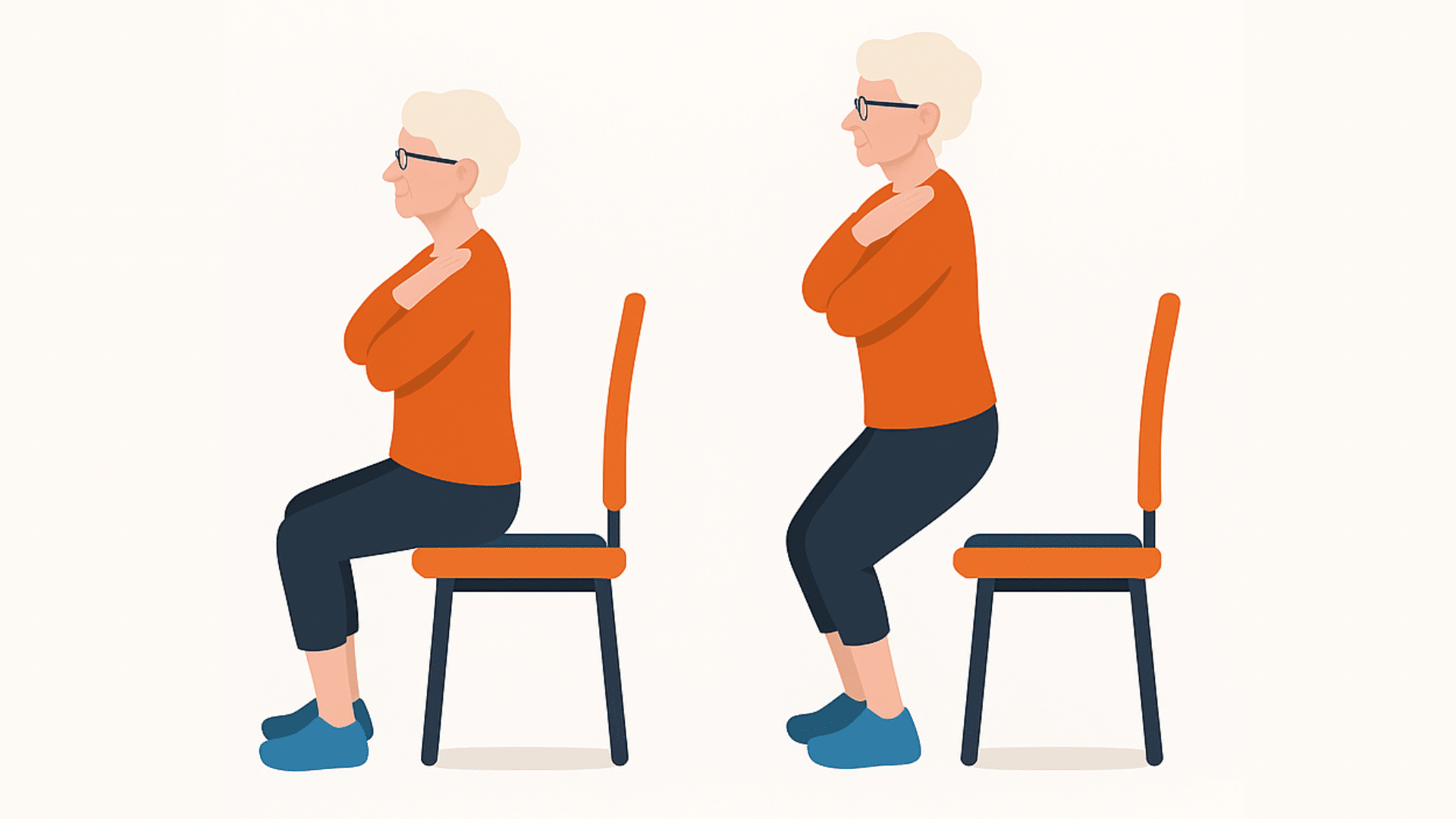
The first strategy to try might be to go with a “smaller” movement: for example, if squatting very low causes strain, simply practice a smaller squat in which the hips do not drop as low, and observe if this creates a more comfortable way to move.
Or perhaps use an actual chair and practice sitting and standing from the chair, as this might feel more safe, familiar, and naturally incorporate a smaller range of motion.
Question Five: What is an appropriate volume based on my goals (AKA how many should I do?)
Finally, how does one figure out what volume of a particular exercise to incorporate into a fitness routine? This question is highly individualized, and is best decided with the help of a physical therapist or other movement specialist. An exercise could check all four of the previous boxes, but if not done enough benefits could be missed, or if done too much harm could result.
The individual’s goals are always a consideration. If someone is practicing squatting, what is inspiring them? Maintaining or improving the ability to get up and down from chairs comfortably without the arm rests? Or, building increased strength and bone density to improve fitness and decrease the chance of osteoporosis?
Those two goals might come from very different people, and therefore the volume will likely be different.
For the individual simply hoping to get up and down from chairs, it might be recommended to practice “a little bit, often”. For example, if there is a particular chair that this person sits in, perhaps doing five squats each time they are about to go sit down in it, which might be five times a day (25 squats per day).
For the individual hoping to build muscle and bone, this simply would not be enough. Perhaps initially it would be, depending on their fitness level. However, the squat routine would have to gradually get more challenging in order for the muscles and bones to adapt and remodel into stronger tissues. This might involve doing 3-4 sets of 6-12 repetitions, with the last couple repetitions of each set becoming extremely challenging and difficult. This may only be done 2-3 times per week to allow the challenged muscles time to heal. And as the individual gets stronger, variations of the squat could be included (e.g. one and a half reps, changing the base or range of motion), as well as external resistance added (holding a weight at the chest or two weights on the shoulders).
Clearly, the decision around practicing a certain exercise is extremely nuanced, and best discussed with a professional. Bottom line is to make sure to understand the mechanics of the movement, breathe well, switch directions with ease, avoid strain, and find the sweet spot between over and under-doing.
Oh and one more thing… the most important thing is to have fun 😀
Written by Jacob Tyson, DPT - Physical Therapist, Yoga Instructor
Images:
https://t4.ftcdn.net/jpg/16/96/73/23/360_F_1696732370_pCKNiz5ElNPuDYOYkBRXK4kTMNfgetbX.jpg

https://training.fit/wp-content/uploads/2020/03/kniebeugen-800x448.png
https://www.leehealth.org/getmedia/bbb6364a-6a5b-4223-9696-802088d162a8/shutterstock_1756279598.jpg

https://img.freepik.com/free-vector/two-blue-cycle-arrows_78370-7799.jpg?semt=ais_hybrid&w=740&q=80

https://www.lotusyogadallas.com/wp-content/uploads/2025/07/Right-Way-to-Do-It-and-Improve.png